
1/4
Promoted
Dhaka, Elephant Road, 6 hours ago
30 views
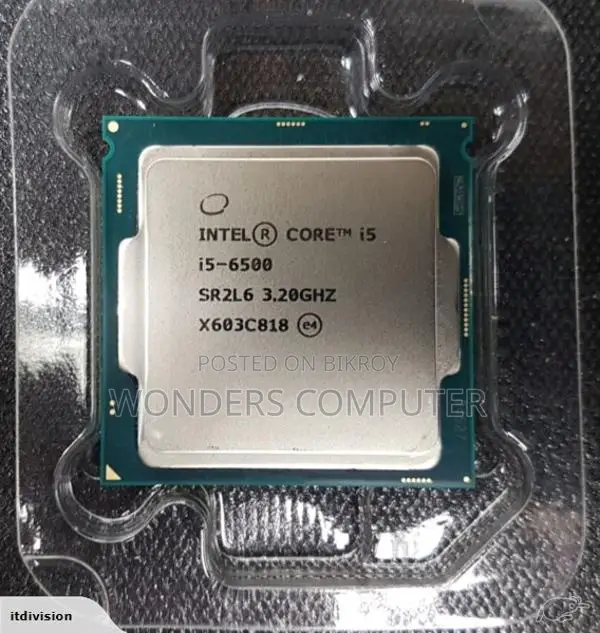
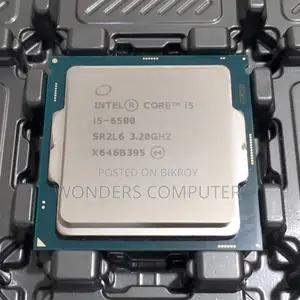
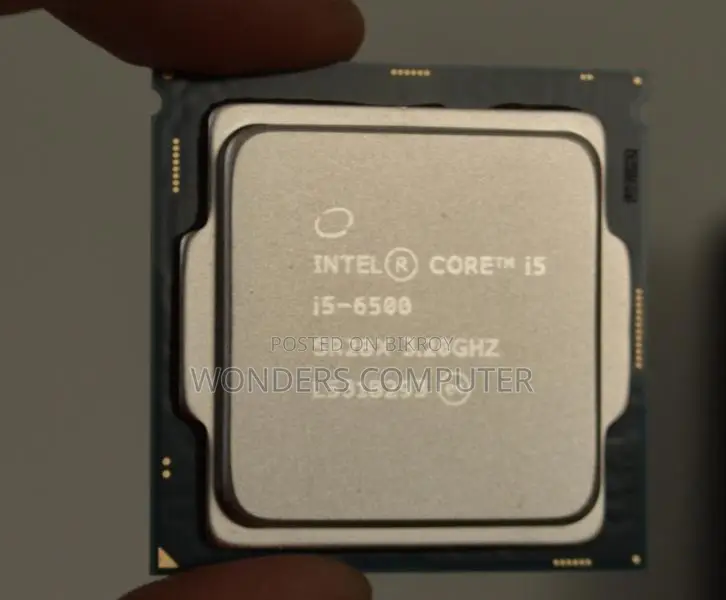
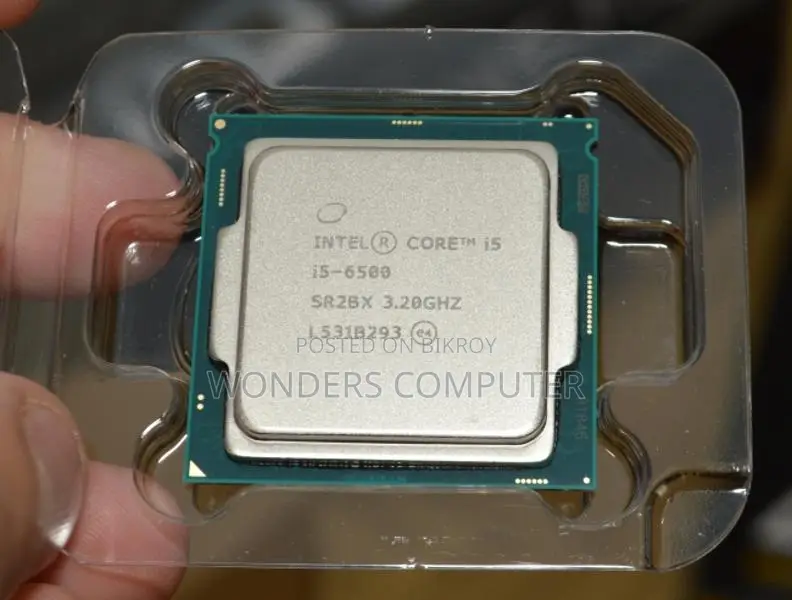
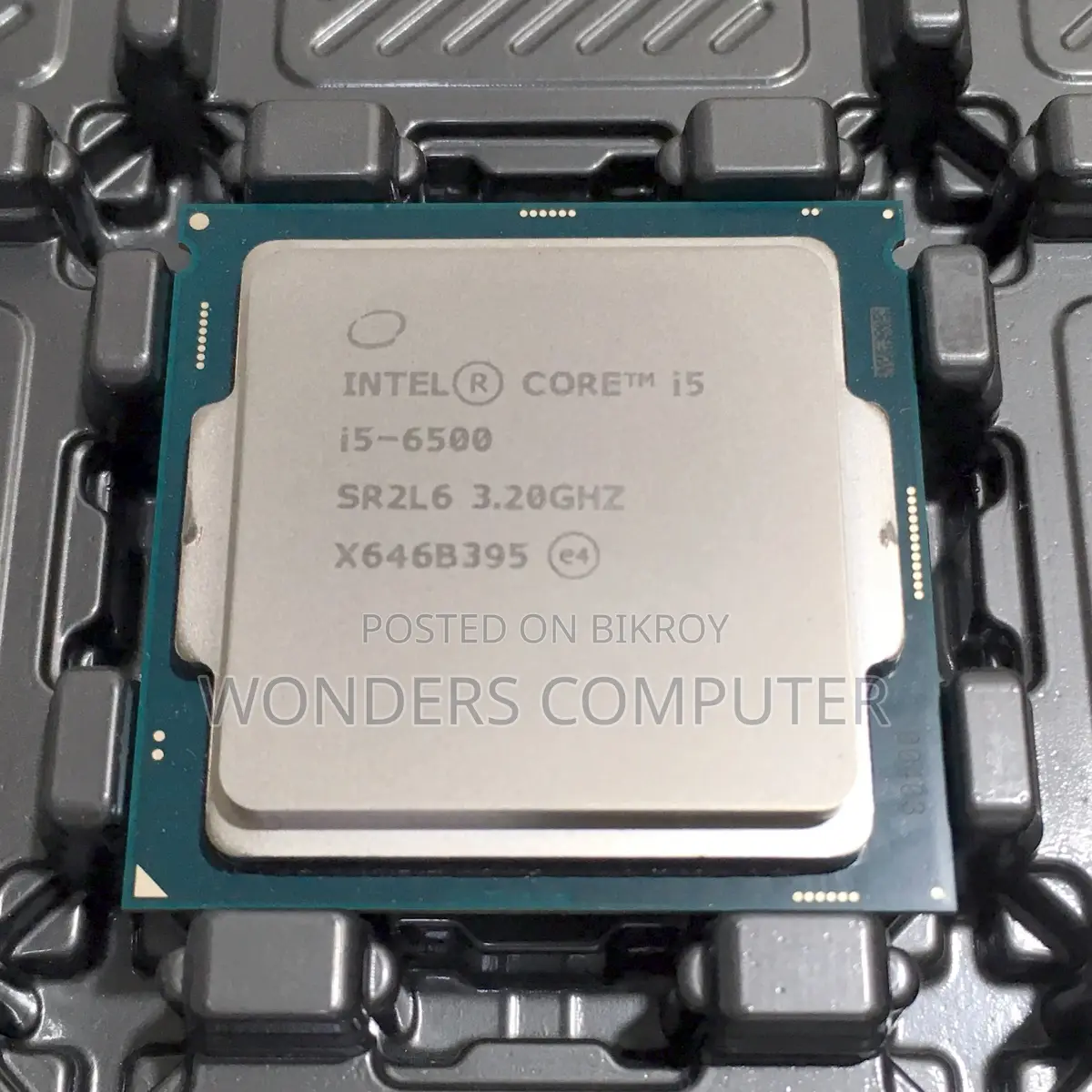
Core i5 6500 Processor 6th Generation 100% Fresh 7 Days Check Warranty
Intel
Brand
Used
Condition
Description
🧠 Intel Core i5-6500 — Key Specs
📌 Platform & Architecture
Generation: 6th Gen Intel® Core™ (codename Skylake)
Socket: LGA 1151 — for compatible 100/200-series Intel motherboards (Z170, B150, H170, H110, etc.)
Process: 14 nm manufacturing
⚙️ Cores & Performance
Cores: 4 physical cores
Threads: 4 (no Hyper-Threading)
Base Clock: 3.20 GHz
Max Turbo Boost: 3.60 GHz
💾 Cache
6 MB Intel® Smart Cache
📊 Memory Support
Dual-channel memory
Supports DDR4-1866/2133 and DDR3L-1333/1600 depending on motherboard.
Up to 64 GB RAM (platform limit, depends on motherboard).
🖥️ Integrated Graphics
Intel® HD Graphics 530
Base GPU freq ~350 MHz; boost up to ~1050 MHz
Supports DirectX 12, multiple displays, and up to 4K resolution on some outputs.
⚡ Power
TDP: 65 W — relatively efficient for mainstream CPUs.
🛠️ Supported Technologies
Intel® Turbo Boost Technology 2.0 — speeds up cores intelligently under load.
Intel® VT-x / VT-d virtualization support.
AES-NI, AVX2, and other modern instruction sets.
No Hyper-Threading (4 threads total).
🧠 What It’s Good For
👍 Strengths
Strong everyday performance for tasks like web browsing, office apps, and media.
4 physical cores still offer decent multitasking for light productivity.
Integrated graphics lets you use the PC without a discrete GPU (basic video, casual games).
Works on many 6th/7th-gen compatible LGA 1151 boards (100 & 200 series).
⚠ Limitations
No Hyper-Threading — fewer threads vs newer CPUs.
Not suitable for heavy modern gaming or content creation compared to newer generations.
No overclocking (locked multiplier).
Requires BIOS-compatible motherboard; not compatible with later 300/400/500-series boards without special BIOS hacks.
📌 Typical Use Cases
Use Case Suitability
Office & productivity 👍 Good
Web & media 👍 Good
Casual gaming ⚪ Okay with decent GPU
AAA gaming ⚠ Limited by age
Content creation (large tasks) ⚠ Limited
🔎 Summary
The Intel Core i5-6500 is a 6th Gen Skylake quad-core desktop CPU with a 3.2 GHz base clock and up to 3.6 GHz turbo, 6 MB cache, and Intel HD Graphics 530. It’s a solid choice for everyday computing and light-to-moderate tasks, typically found in budget and mid-tier systems of its era
Safety tips
- Avoid paying in advance, even for delivery
- Meet with the seller at a safe public place
- Inspect the item and ensure it's exactly what you want
- Make sure that the packed item is the one you've inspected
- Only pay if you're satisfied


