
1/4
Dhaka, Mirpur, 06/08
219 views
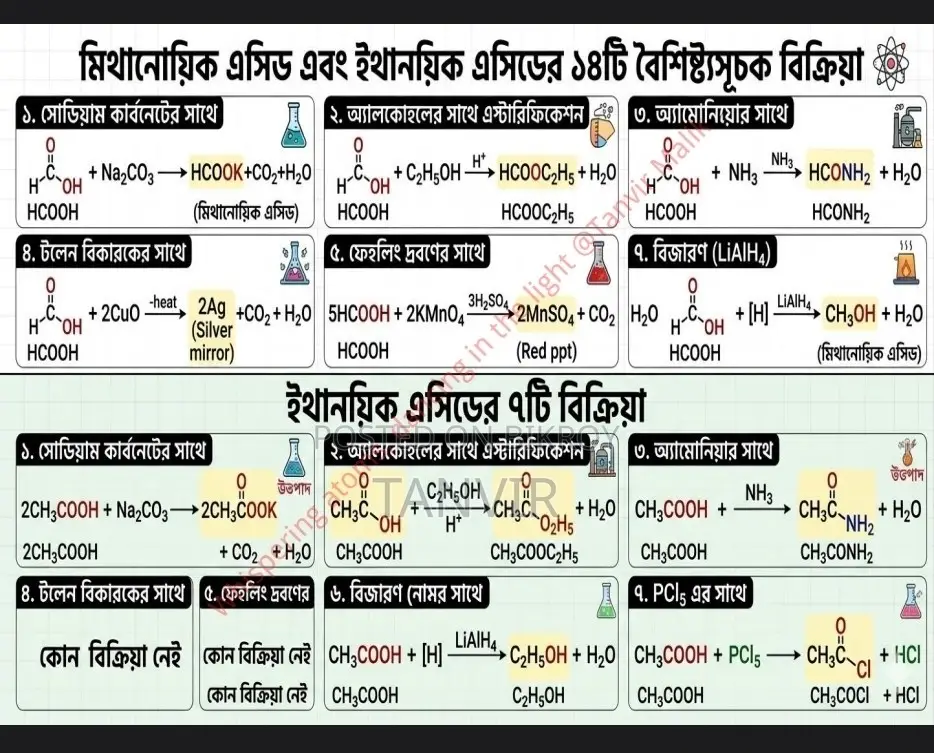
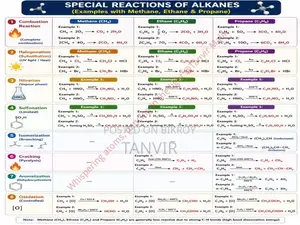
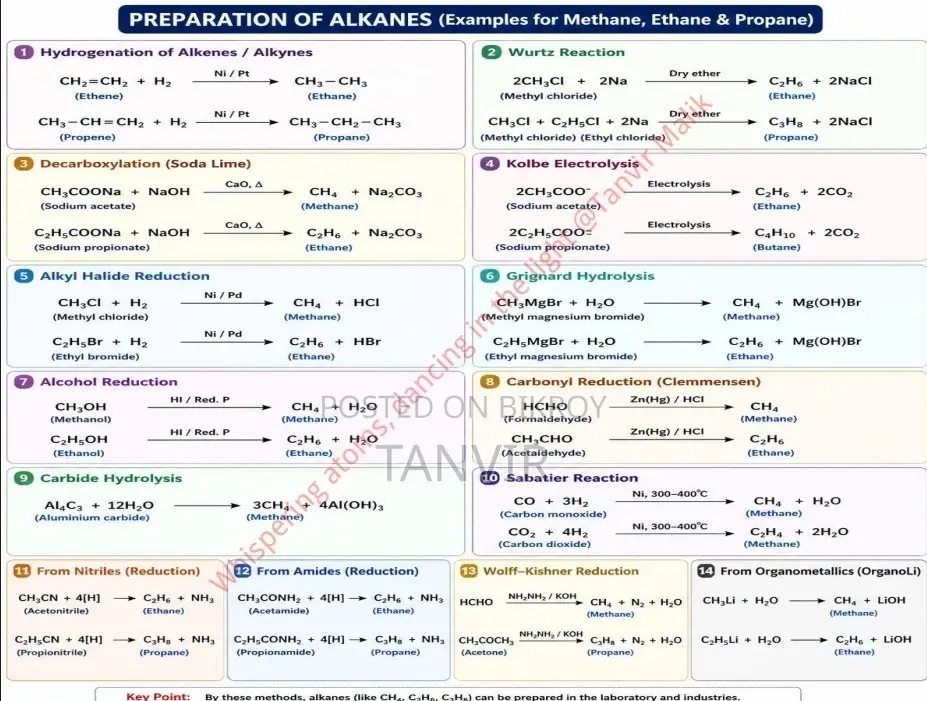
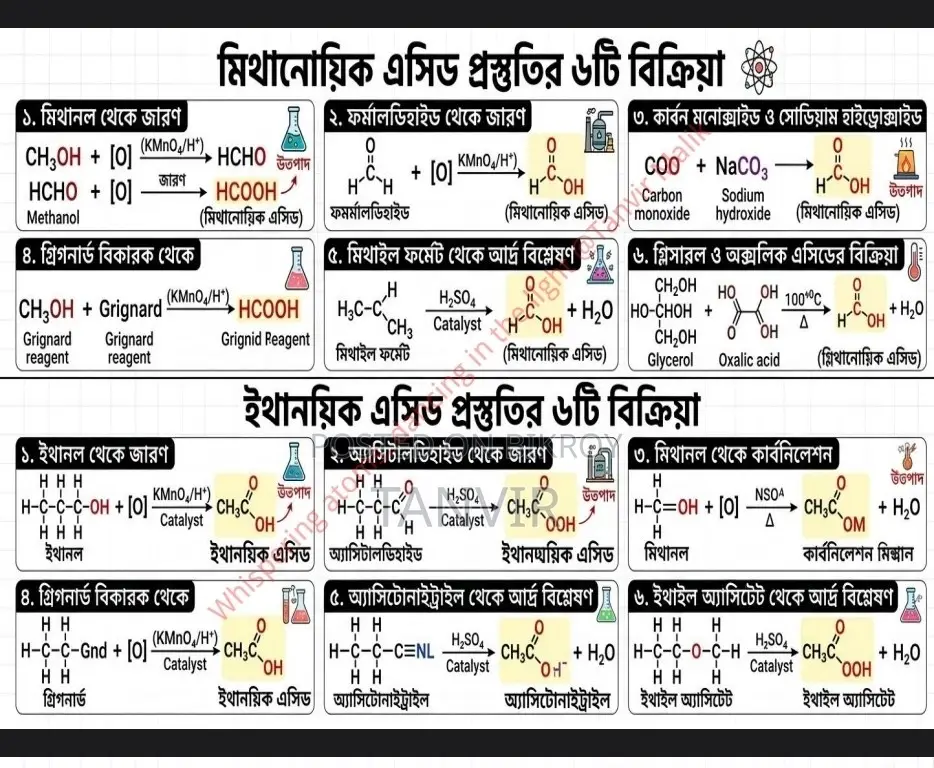
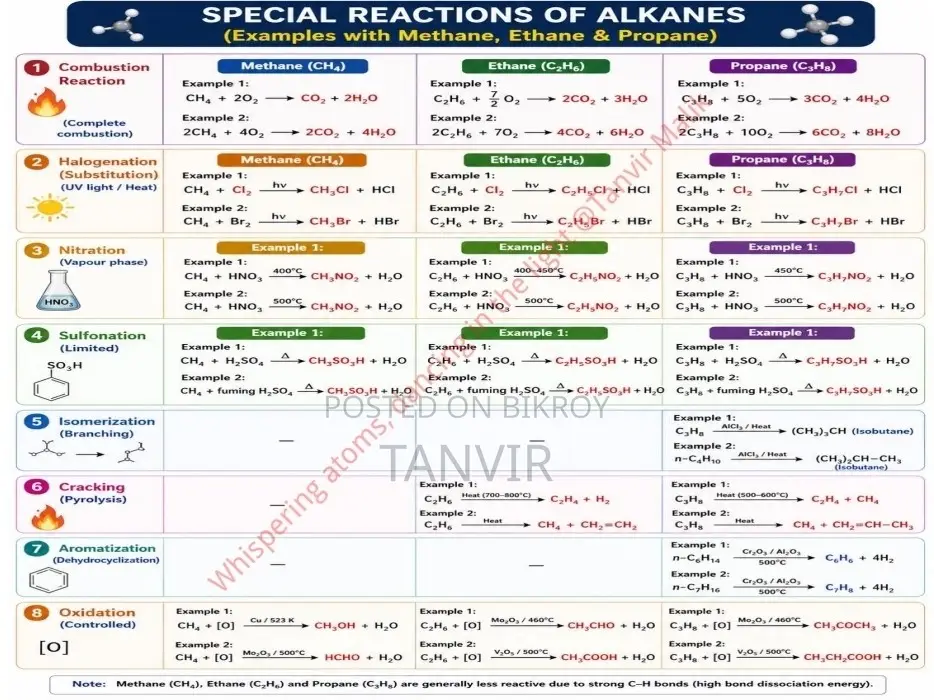
HSC Organic Chemistry Integrated Conversion Notes
#HSC2027 #HSC2026 #HSCChemistry #OrganicChemistry #OrganicChemistryNotes #HSCChemistryNotes #ReactionConversion #ConversionNotes #CompoundWiseNotes #IntegratedNotes #ChemistryNotes #BoardExam #StudyNotes #ExamPreparation #SmartStudy
Company Name
#HSC2027 #HSC2026 #HSCChemistry #OrganicChemistry
Type
more than 5 years
Work Experience
In HSC Organic Chemistry, various preparations, reactions, and conversions of the same compound are scattered across different chapters. As a result, students have to flip through multiple chapters repeatedly to build a complete understanding of a single compound.
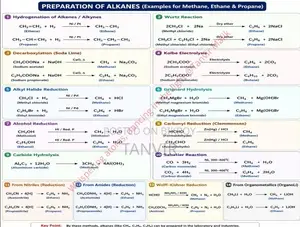
For instance, one method for preparing ethyne (C2H2) is through the hydrolysis of calcium carbide (CaC2), which is discussed in the Alkyne chapter. Another method involves the reflux of ethylene dihalide with alcoholic KOH (double dehydrohalogenation), which is mentioned in a different chapter. Since these important details of the same compound are located in separate places, it becomes difficult for students to remember them in an integrated manner.
BDT 200per service
Fixed priceSafety tips
- Check Feedback to make sure the person is reliable
- Agree on the scope of work and remuneration
- Meet in person at a safe public place


